An air conditioner that runs from breakfast to bedtime is not being heroic; it is being overloaded. During a humid Ontario summer, nonstop running is one of the first signs that something in the system or the house needs attention, and the sooner you decode it, the cheaper the fix tends to be.
A Five-Minute Check Before You Call
- Filter. Pull it out and hold it up to a light; if you cannot see light through it, replace it.
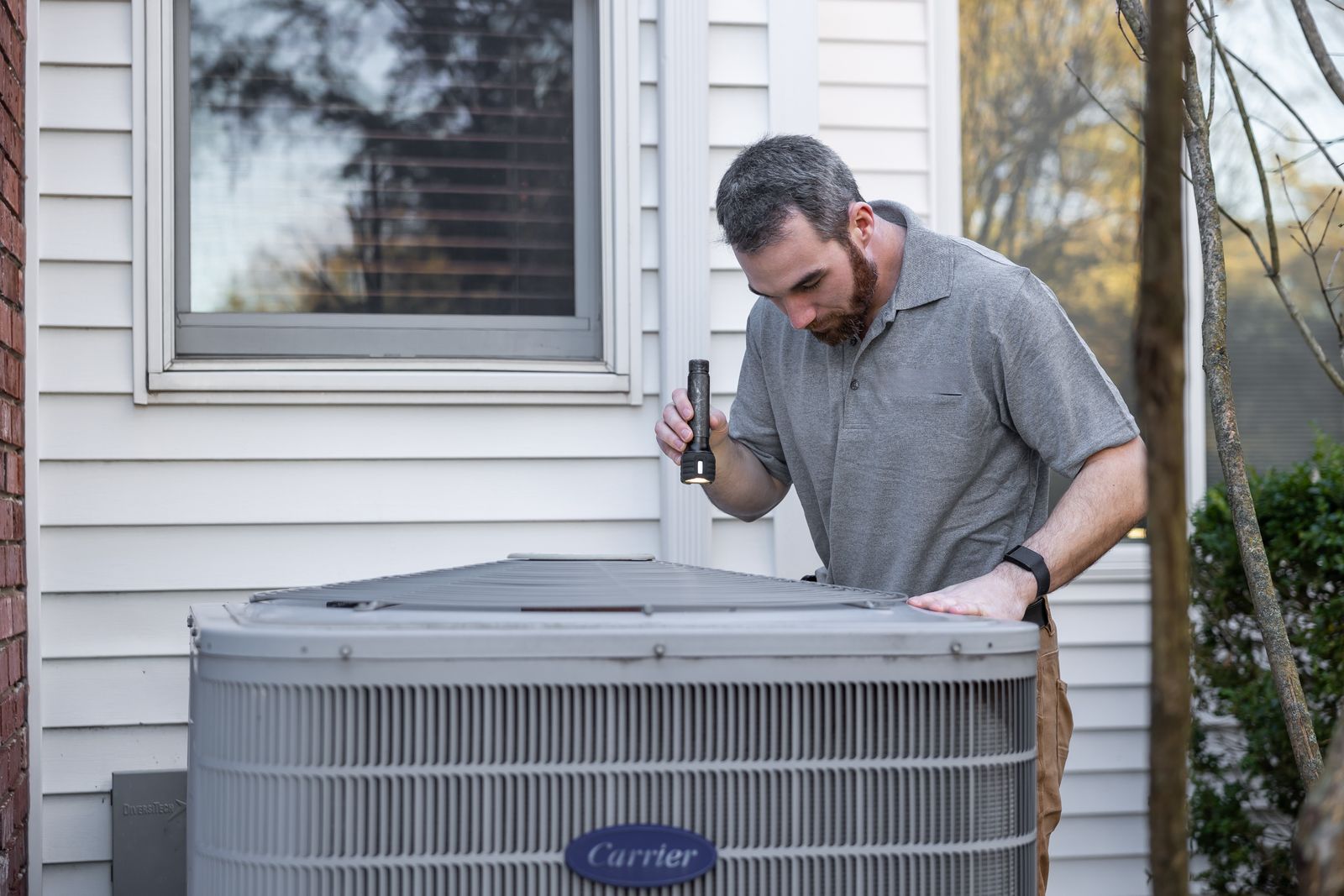
- Outdoor unit. Clear leaves and debris and confirm there is at least a foot of open space on every side.
- Thermostat. Confirm it reads a sensible temperature and responds when you lower the setting.
Long Cycles Are Normal; Nonstop Running Is Not
Ontario summers are humid, and humidity changes what your air conditioner has to do. Along with cooling, the system wrings moisture out of the air, and damp air takes much longer to treat than dry air. During a muggy July stretch, even a healthy system runs longer cycles than usual.
The line to watch is whether the system ever shuts off. A properly working unit labours through the afternoon and recovers in the evening. One that runs around the clock is telling you it cannot handle the load, and every cause behind that has a name.
Could the Unit Simply Be Outmatched?
An aging system. Older blowers move less air and older coils transfer less heat, a slow fade most homeowners notice over a season or two. An undersized unit. A system that was never matched to the home runs flat out and still loses ground on hot afternoons. Homes change, too: additions, finished rooms, and extra sun exposure can quietly outgrow equipment that was properly sized the day it was installed.
A note on thermostats: setting the temperature very low does not make the system work harder, it just makes it run longer. On humid days, a moderate setting with a healthy system often feels better than an extreme setting with a struggling one.
Have You Checked the Filter, the Coils, and the Outdoor Unit?
A clogged filter. This is the first thing to rule out because it is the cheapest fix in HVAC. A full filter starves the blower and throttles air to every vent in the house. A dirty evaporator coil. Dust that slips past the filter settles on the cold coil and insulates it, so less cold transfers into the air moving past.
A blocked condenser. Debris, tall plants, or a dryer vent blowing nearby all heat up the outdoor coil and slow the whole system down.
Refrigerant, the Envelope, and the Numbers
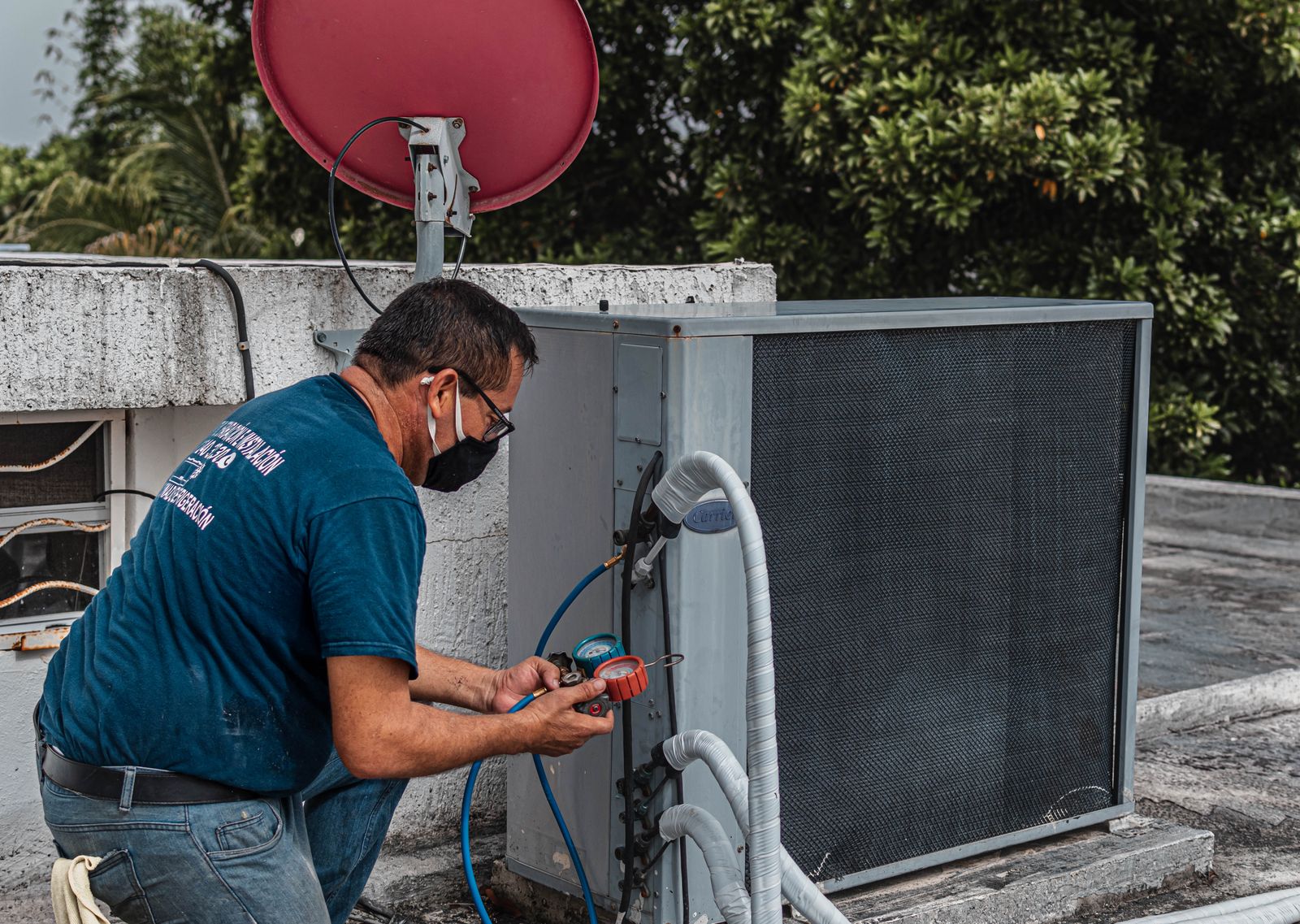
Low refrigerant. Removes the working fluid that carries heat outside, so every cycle delivers less cooling. Poor insulation and air leaks. Add cooling load the equipment was never meant to carry, often making a healthy unit behave like a failing one.
A Amherstburg Heating & Cooling service visit tests the system under real conditions: measuring airflow, verifying the charge, and comparing the unit's capacity against the home's actual cooling load. That last step settles questions with numbers instead of opinion, and it often costs less than a single premature repair.